Featured Stories
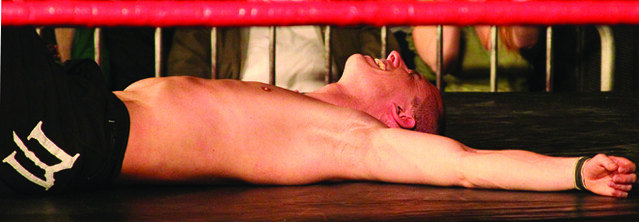 Edmonton wrestler lives his dream » You don't have to make to the big times to get your WrestleMania moment.... 0
Arts & Culture

Edmonton-raised filmmakers find success in debut
Edmonton filmmakers Cooper Bibaud and Danny McDougall score big on their first feature.
More Stories
 Edmonton’s Darrin Hagen reflects on 25 years of blood, sweat and heels
 Edmonton fashion designer takes StartUp title
 “Wayward to Arcadia” more than just a show for fine arts graduates
 Vinyl fans invited to Edmonton Music Collectors Show
 Local musicians explore west Edmonton music scene
 MacEwan art students decorate Stony Plain Road
 Rebel Hips teaches women to dance for fitness
 Jim Guedo brings Greek tragedy to MacEwan stage
 Life in musician’s shoes no easy task
 Metal Alliance Tour set to storm Edmonton Event Centre
Local Business

Buy, sell, loan, pawn: The world behind the doors of Dan’s Pawnshop
Many people have an automatically negative reaction to pawnshops, but sometimes, behind the sign,...
More Stories
 West Edmonton bistro ships in a taste of Montreal
 Tony’s Barber Shop is real vintage
 The top five places to shop in west Edmonton
 How to tour west Edmonton without going to the mall
 Pa Peterson’s a sweet spot for Jasper Place patrons
 Chef teaches sugar shaping at west Edmonton kitchen
 Duchess Bake Shop to host ‘pop-up’ craft sale
 Entrepreneurs share tips with MacEwan students
 “Girl in the red scarf” billboards revealed: clever marketing technique
 Input gathered for Stony Plain Road streetscape project
Education

Centre for the Arts and Communications on the move
Read about times past and what's in store for the future for the Centre...
More Stories
 Cree language and culture embraced at Our Lady of Peace
 World Vision builds a village at West Edmonton Mall
 MacEwan instructor’s life commemorated with scholarship
 Race kindles passion for science in Edmonton junior high students
 Talmud Torah celebrates 100 years
 Woodcroft community welcomes decision to keep St. Mark’s open
 Jasper Place High School prepares to commemorate 50th anniversary
 Public-private partnership school set to be state-of-the-art
 West Meadowlark teacher’s legacy supports students
 Young reporters talk shop
Multimedia

Virgin Radio splashes to success
Virgin 104.9 Radio's "puddle splash" was a great way to splash someone guilt-free.
More Stories
 Geocaching leads to adventure in west Edmonton
- Rebel Hips teaches women to dance for fitness
 West Edmonton zookeeper gets up close and personal with animals
- Chef teaches sugar shaping at west Edmonton kitchen
 Storify: A day in the life of west Edmonton
 Help us capture a day in the life of west Edmonton
 Edmonton animal rescue team beats goal
 MacEwan students hunt for tweets around west-end campus
 Winning Wines spreads holiday cheer
 Canadian premiere of satire closes its curtains
Community News

Passion for gaming helps build community
A competitive StarCraft 2 player wants others to get the same pleasure he experienced...
More Stories
 West Edmonton neighbourhoods come together for a spring cleaning
 Take a look at west Edmonton, one second at a time
 Journalism students reflect on a weekend spent on the streets
 Weather-watching an Edmonton pastime
- West Edmonton zookeeper gets up close and personal with animals
 Concerns raised at Buena Vista/Laurier Park consultations
 Edmonton’s first Bust A Move event to groove for good cause
 West Edmonton residents concerned about transit development plans
 Glenora celebrates winter as a community
 Night out brings Westmount community together
Sports & Recreation

Edmonton wrestler lives his dream
You don't have to make to the big times to get your WrestleMania moment.
More Stories
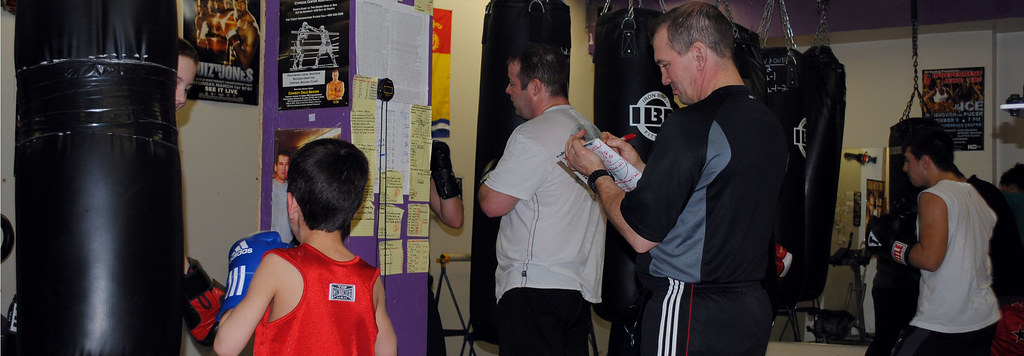
 For West Edmonton Knights, trying is what matters
 West Edmonton skater takes it one glide at a time
 West Edmonton gets ready for floor hockey tournament
 Judo comes to West Edmonton Mall
 Poker enthusiasts play for keeps at the Yellowhead Casino
 High school handball on the rise in west Edmonton
 E-Ville Roller Derby jams in west Edmonton
 Also-Stars unleash their deadly skills at the Ice Palace
 Callingwood Lanes sends two youth bowlers to provincials
 AMHL All-Stars keep annual contest alive with high-scoring game
Government

New idea may bring velodrome to west Edmonton
Funding for a world-class cycling track in Edmonton may mean a brand new spectator...
More Stories
 28 Faces campaign looks to bring education to Alberta’s forefront
 Meadowlark debate shows seniors want more than just health talk
 Maskell wants seat back from Sherman in Edmonton-Meadowlark
 Edmonton soldiers return home from Afghanistan
 Volunteers prepare for provincial election
 Steve Young wants to paint Riverview blue
 Five strong candidates prepare to fight for Edmonton-Glenora
 Edmonton-Riverview MLA Kevin Taft considers life after politics
 Explainer: Will west Edmonton get its fair share of rinks?
 New drunk driving law worries some west Edmonton restaurateurs
Trouble

Rabbits and ravines bring coyotes to Meadowlark
Keep your eyes open for coyotes in Meadowlark ...
More Stories
 Callingwood firefighters always prepared for a call
 Stray kittens ‘spring’ forth, put a strain on Humane Society
 Gossip site harms west Edmonton business owner’s online rep
 ‘Don’t Be That Guy’ plans new posters, encourages reporting sex assault
 West Edmonton retailer looks forward to end of long-gun registry
 Lucy gets room to exercise in winter, activists aren’t impressed
 ‘I’m a gatherer’: The experience of compulsive hoarding
 Donations welcome, but please, no used food
 MacEwan University support staff call for better pay
 Windstorm destroys sign at west Edmonton mini-mall